
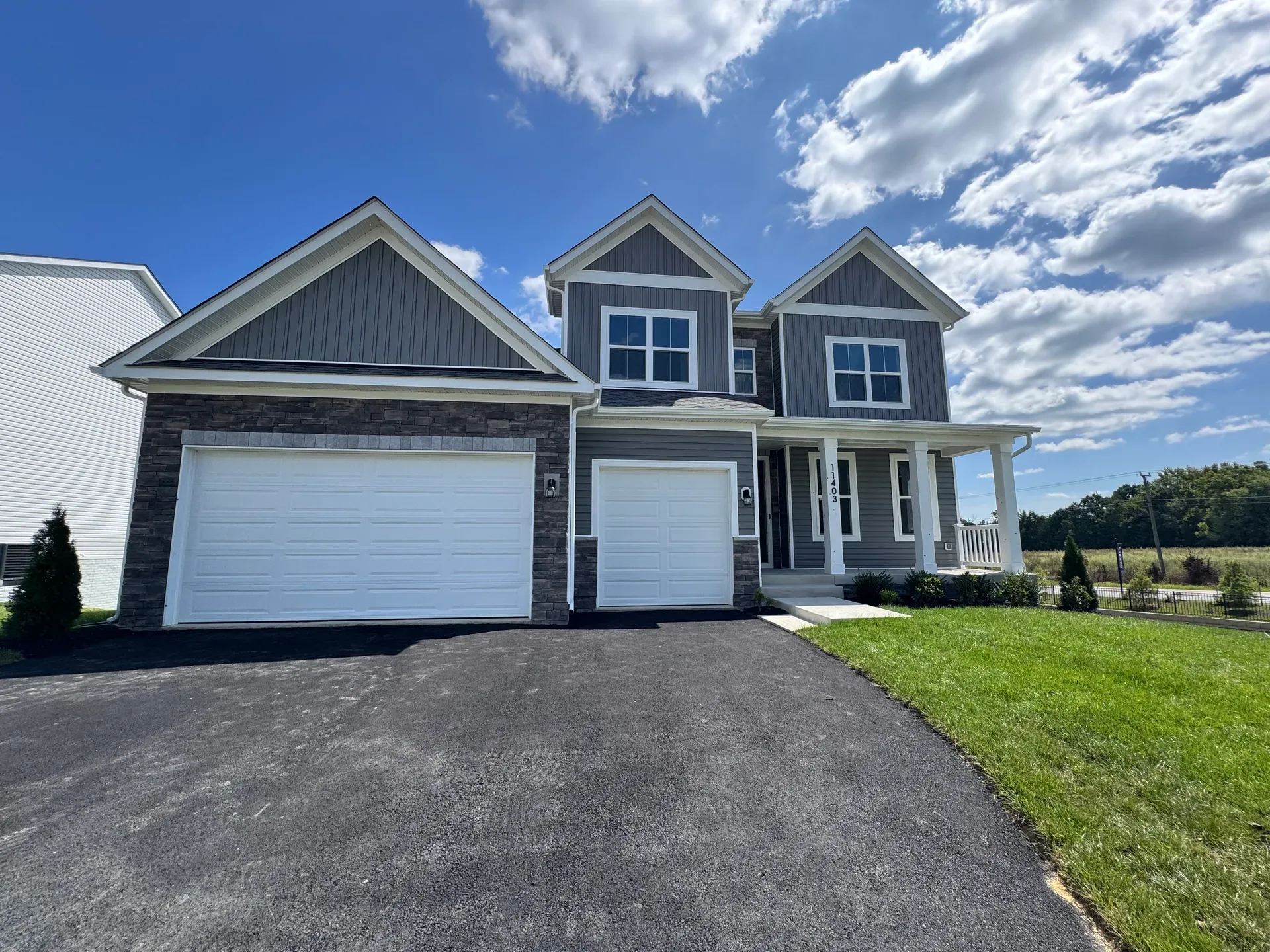
This guide walks you through buying a brand new home in Virginia from start to finish: why buyers choose new construction and how to begin, how financing a build differs from a resale, how to evaluate builder incentives, how to pick your lot, how to survive the design center on budget, what to look for in the builder contract, how the build timeline unfolds, and exactly what to inspect before you close. If you are new to new construction, read it top to bottom. If you are already shopping, jump to the section you need; every part of the process is covered below, and the FAQ at the end answers the questions buyers ask most often.
In This Guide
- 1. Why new construction, and how to start
- 2. Financing a build vs. a resale
- 3. Builder incentives, evaluated
- 4. Lot selection
- 5. The design center and upgrades
- 6. The builder contract and disclosures
- 7. The build timeline
- 8. Inspections, walkthrough, and closing
- 9. How to compare builders checklist
- 10. Buyer questions, answered
Why New Construction, and How to Start
Buying new construction means you are the first owner of the home. Everything is new: the roof, the systems, the finishes, and the builder's warranty, usually one year on workmanship with longer coverage on major systems and structure. You get to choose your floor plan, finishes, and in many communities your lot, and you never inherit someone else's deferred maintenance. The tradeoffs are real too: you wait for the build, you pay for upgrades you may not have budgeted for, and a production builder's sales representative works for the builder, not for you.
The best way to start is to get your financing in order and your buyer's agent registered before you set foot in a model home. Both are free, and both protect you from the two most common new construction mistakes: signing up with a builder before you know your real budget, and walking into a sales center alone, which can prevent you from adding representation later. Once those two things are in place, tour broadly: model homes, quick move-in inventory, and finished communities from previous phases, so you can see how the homes age.
Use the builder directory to shortlist the 20 builders Barbara tracks across the region, then use the county guides to see which communities are active in the areas you care about, from Stafford to Fairfax. Most buyers who start broadly and narrow deliberately end up with a much clearer sense of what they actually want.
Financing a New Build vs. a Resale
Financing new construction is different from financing a resale because there is no finished house to secure the loan yet. For buyers building on the builder's lot, the most common route is a one-time close construction-to-permanent loan: one application, one closing, one set of fees, and the loan converts to a permanent mortgage when the home is complete. Buyers who own land and hire a custom builder more often use a separate construction loan that pays out in draws as work reaches milestones, then refinances into a permanent mortgage at completion. A lender familiar with the areas you are buying in will walk you through which structure fits.
You will also choose between the builder's preferred lender and an outside lender. Builders often tie their best incentives, such as closing cost assistance and interest rate buydowns, to their affiliated lender, and those packages can be very good. The rule is to compare, never assume: get a written loan estimate from both for the same price point, and compare rate, points, fees, and total closing costs. The relationship with your lender matters for the whole build, not just at closing.
Rate locks deserve special attention on a new build because your closing date is a moving target. Ask early what lock lengths your lender offers, what an extension costs, and whether the builder's incentive includes a rate benefit. A build that slips by two months can push a 60-day lock past its expiration, so a slightly longer lock, or one the builder subsidizes, is often worth it. Pre-approval also gives you leverage with the builder: the sales team treats a pre-approved, agent-represented buyer very differently from a browser.
For the full breakdown of loan types, one-time close options, and the money-down question, read Barbara's article on financing new construction in Virginia, and the comparison of a builder's lender vs. an outside lender.
Builder Incentives: How to Evaluate Them
Builders offer incentives to move inventory and hit sales targets, which means they tend to be most generous on quick move-in homes, on less desirable lots, and at the end of quarters and years. The common ones are closing cost assistance, interest rate buydowns, design center credits, HOA dues paid for a period, and lot premium waivers. Each has a different real value depending on your situation.
How to compare any incentive offer
- Convert everything to a single number: what is this incentive worth to you in dollars, today?
- Check the strings attached: is the incentive conditional on using the builder's lender, their title company, or a specific closing date?
- Ask for it in writing before you sign anything, and confirm whether it applies to the base price, the options, or the total contract price.
- Remember that a price reduction builds instant equity and lowers taxes, while a credit toward closing or upgrades gives you relief now; they are not the same thing.
The generic advice still holds: builders protect their list prices because they protect comparable sales in the community, so they often say yes to incentives before they say yes to a lower price. A good buyer's agent knows which levers a particular builder can actually pull. Barbara's article on builder incentives in Virginia covers the typical packages and how to ask for them.
Lot Selection: The Decision That Outlasts Every Upgrade
Before you pick finishes, you pick dirt, and the lot affects things you cannot change later: your home's orientation to the sun, your privacy, whether you can have a walk-out basement, your yard size, the view from your windows, and much of your resale value. The builder prices lots by premium, with features like larger sizes, wooded or open-space views, and walk-out potential carrying extra cost, sometimes tens of thousands of dollars.
Stand on the lot at different times of day, the way you would look at any purchase: where does the sun hit the back yard, where do the neighbors' windows face, how close is the next phase of construction, and how will the community look when every lot is built out? Check the survey, the site plan, and any steep slopes or protected areas. In communities with a future phase, expect months of construction noise nearby unless you choose a lot on the finished side of the development.
A walk-out basement lot is one of the decisions buyers rarely regret, even when it means a higher premium, because you cannot add a walk-out later. You can upgrade countertops in the design center for the rest of your life; you can only pick the lot once. For the full framework on premiums, orientation, privacy, and the questions most buyers forget, read Barbara's lot selection guide.
The Design Center: Upgrades on a Budget
The design center is where the base price becomes a real number, because this is where you choose cabinetry, countertops, flooring, tile, fixtures, paint, and dozens of smaller items, each with a price delta. Buyers routinely add tens of thousands of dollars in selections, and the sales strategy is designed to encourage that. Walk in with a budget and a priority list, not a blank slate.
Know your base package: what is included at the advertised price can differ meaningfully from what is included in the model you toured. Ask which structural options, such as a finished basement rough-in, extra windows, or a four-season room, must be decided before construction, because those are hard or impossible to add later. Save the cosmetic upgrades you can defer, and spend first on layout, natural light, and the rooms you use daily, then on finishes that wear, like flooring and countertops.
If the builder offers a design center credit, that credit changes the math on upgrades: it is effectively money that only counts in the design center, so it can be smarter to spend it there than to discount the price. Barbara's design center guide walks through the selections worth skipping and the ones worth the money.
The Builder Contract and Disclosures
The builder's contract is not a standard resale contract, and it is written by the builder's attorneys. Read it cover to cover before you sign, and have your buyer's agent and, for the fine print, your attorney review it with you. The documents you receive should include the purchase contract, the floor plan and elevation, the site plan, the specifications sheet describing exactly what is included, the warranty document, and disclosures about the community, including any HOA or community development authority (CDA) assessments.
The details that belong in writing, and nowhere else, include the base price, lot premium, and designer selections; how and when increases, such as changes to your selections, are handled; the construction start and estimated completion dates, and what happens if they slip; what happens to your earnest money if the home is late or if you default; which incentives are tied to which lender; and the full list of standard inclusions. Verbal promises from the sales team do not survive the closing table, so get everything into the contract or an addendum.
Two more things belong on your list: understand the builder's inspection policy, including whether you may inspect before drywall and at framing, and review the warranty document to know what is covered for one year, for major systems, and for structure. Virginia's fair housing protections apply to every step of this process; builders and agents must serve all buyers equally, and you should never be treated differently because of who you are.
The Build Timeline: From Permit to Walkthrough
A to-be-built home in this region typically takes about six to twelve months from contract to closing, while quick move-in inventory can close in weeks. The exact order of events varies by builder and county, but the shape of the timeline is consistent.
- 1
Contract, deposit, and financing
You sign, pay the earnest money, and finalize your loan. The builder submits the plans and applies for the county permits that allow construction to start.
- 2
Site work and foundation
The lot is cleared and graded, utilities are stubbed in, and the foundation is poured. Progress reports usually start here.
- 3
Framing and pre-drywall inspection
The frame goes up and the plumbing, electrical, and HVAC rough-ins happen while the walls are open. This is the window for your first independent inspection.
- 4
Drywall, trim, and finishes
Walls go up, paint and flooring go in, and the design center selections become visible. This is the longest stretch of the build and where small delays compound.
- 5
Final walkthrough
You walk the finished home with the builder, test fixtures, and write a punch list of anything incomplete or damaged. The walkthrough is your last chance to catch issues before closing.
- 6
Closing
You review and sign the closing documents, the loan funds, and the keys are yours. Set a reminder for the 11-month mark, when the one-year workmanship warranty renews your attention.
The closest thing to a guarantee is a written closing target plus a builder with a track record in the county. Barbara's new construction timeline guide and the model home tour checklist go deeper on what to expect at each stage.
Inspections, the Final Walkthrough, and Closing
Independent inspections are the single highest-leverage step in the whole process, and most buyers skip them. Plan for three: a pre-drywall inspection while the structure and systems are visible, a final walkthrough inspection before closing, and an 11-month warranty inspection before the one-year coverage expires. Hire an inspector who does new construction regularly, not just resales, and ask the builder's permission to inspect, which the contract should already grant.
At the final walkthrough, bring your contract and specifications sheet and check what you actually purchased: every fixture, finish, and upgrade you paid for, plus the condition of flooring, trim, paint, windows, doors, and the grading and drainage around the foundation. Test toilets, faucets, the HVAC, the water heater, garage door openers, and appliances. Write every problem onto a single punch list, get it signed or acknowledged by the builder in writing, and agree on a completion date before you close. Anything cosmetic you accept at the walkthrough is much harder to get fixed after closing, so be thorough.
At closing, review the final numbers against your loan estimate, confirm your incentive credits appear in the settlement statement, and make sure any agreed punch list items are documented. Then mark your calendar for month 11, walk the home again with fresh eyes, and submit your warranty punch list in writing before the first year ends. Barbara's inspection guide and warranty guide cover both milestones in detail.
How to Compare Builders: Your Checklist
Comparing builders is about comparing apples to apples, which means the same lot size, the same square footage, the same included features, and the same all-in price. Use this checklist when you visit sales centers, and update it as you go:
Price and inclusions
- Base price, lot premium, and every fee in one written number
- Written list of standard inclusions at the advertised price
- Itemized cost for the upgrades you actually want
- Property tax and HOA or CDA cost estimates for the community
The builder
- Years building in this region and in this county
- Completed communities you can drive through to see how homes age
- Warranty process: who answers, and how quickly
- Current incentives and which are tied to their lender
The community
- Commute time and school bus routes for the actual location
- Future phases and nearby development plans
- Amenities, trails, and open space promised versus built
- Utility setup: water, sewer or well and septic, and internet options
The process
- Written target dates for start, completion, and closing
- Inspection policy stated in the contract
- Progress communication: updates, photos, site visits
- Registration rules for your buyer's agent, in writing
Bring this checklist to every sales center, and remember that the builder whose name is on the sign is not the person selling to you; compare the actual product and contract. The builder directory gives you a head start on which builders are active in which counties.
Frequently Asked Questions About Buying New Construction
These are the questions buyers across Fredericksburg, Stafford, Spotsylvania, Orange, Fairfax, and Prince William County ask most often, with straight answers.
How long does it take to build a new home in Virginia?
From signed contract to closing, most to-be-built homes in the Fredericksburg and Northern Virginia region take roughly six to twelve months, depending on the builder, the community, the season, and how many homes are already in the queue. Quick move-in and spec homes, which are already under construction or finished, can close in as little as a few weeks to a couple of months. Your builder should give you a target closing window in writing, with the caveat that weather and supply chain can shift dates.
Do I really need a buyer's agent when buying new construction?
Yes, and the registration timing matters. The person in the model home sales office represents the builder, not you. A buyer's agent who specializes in new construction can compare communities, review the contract, negotiate incentives, recommend inspections, and watch the build on your behalf at no cost to you: the builder pays the commission. Register your agent on your first visit, before you sign the visitor log, because most builders will not add representation after you register yourself.
Should I use the builder's lender or my own lender?
Compare both. Builders often pair incentives such as closing cost assistance or rate buydowns with their preferred lender, and those packages can be genuinely attractive. But the true cost is the combination of rate, points, lender fees, and closing costs. Get a written loan estimate from the builder's lender and from an outside lender for the same home and price, and compare them side by side before you decide.
What is a lot premium and can I avoid paying it?
A lot premium is the extra charge a builder adds for homesites with better features, such as a larger yard, a walk-out basement elevation, a wooded or open-space view, or a corner location. Premiums are part of the sticker price, and they can sometimes be negotiated, waived, or credited as part of an incentive package, especially on inventory homes or at the end of a sales quarter. Ask for the lot premium sheet before you pick.
Can I negotiate with a new home builder?
Within limits, yes. Builders have standard price sheets and incentive packages, but there is usually room on incentives such as closing cost assistance, design center credits, lot premium waivers, and rate buydowns, particularly on quick move-in homes and when a builder is trying to hit quarterly numbers. A direct price reduction is harder to get because builders protect their comparable sales, but incentives give them another way to say yes.
When should I schedule inspections on a new build?
Plan for three: a pre-drywall inspection while the framing, plumbing, and electrical are still visible; a final walkthrough inspection shortly before closing; and an 11-month warranty inspection before the builder's one-year workmanship coverage expires. Inspections are your eyes on the build, and every builder contract should allow them. A small investment in an independent inspector protects a much larger purchase.
What does a new home warranty actually cover?
Virginia new home warranties typically cover one year on workmanship and materials, with longer coverage on major systems and structural components. Coverage varies by builder, so read the warranty document before you sign. The most important habit is to treat the 11-month mark as a deadline: compile every issue into a written punch list and submit it before the first year ends.
When do I lock my mortgage rate for a new build?
Rate locks for new construction usually run 30, 60, or 90 days, and builders who offer incentives may include a longer lock or a buydown through their preferred lender. The right timing depends on how far out your closing is, so talk to your lender before you sign and ask what lock lengths are available, what an extension costs, and whether the builder's incentive includes a rate benefit. Your lender should put the lock terms in writing.
Ready to Start Your New Construction Search?
Whether you are touring your first model home or comparing final contracts, Barbara can register you with builders, compare all-in pricing, review the fine print, and watch the build on your side from day one. Her representation costs you nothing as the buyer.
Barbara Jennings, REALTOR® · eXp Realty · Virginia License 0225179074
Serving Fredericksburg, Stafford, Spotsylvania, Orange, Fairfax, King George, Caroline, Culpeper, Arlington, Alexandria, and Prince William



Barbara Jennings
REALTOR® · eXp Realty · New Construction Specialist
Barbara Jennings is a licensed Virginia REALTOR® with eXp Realty helping buyers across the Fredericksburg region and Northern Virginia find and finance their new construction home. With a proven 100-point marketing plan and advanced AI-driven strategies, she helps buyers compare builders, negotiate incentives, and move through the buying process with confidence. Reach her at (540) 840-1133 or Yourexpertadvisors@gmail.com.
Keep Reading
- New Construction Builders in Virginia: compare the builders Barbara tracks
- How to finance a new construction home in Virginia
- Builder incentives in Virginia: how buyers save thousands
- Lot selection: how to pick the perfect homesite
- Design center guide: budgeting your upgrades
- New construction timeline: permit to walkthrough
- New construction for first-time buyers
Information deemed reliable but not guaranteed. Square footage, pricing, incentives, and timelines vary by builder, community, and phase; always verify current details directly with the builder and your lender. We are committed to compliance with all federal, state, and local fair housing laws and do not discriminate against any person because of race, color, religion, sex, national origin, familial status, disability, or any other protected class. Each office is independently owned and operated.