

If you are shopping for new construction anywhere along the Fredericksburg-to-Northern Virginia corridor, touring model homes is one of the best ways to narrow down your search. A great tour does more than show you pretty finishes. It teaches you what a builder includes by default, what it expects you to add, and whether the community genuinely fits your life. This guide is my buyer's checklist for getting the most out of every model home tour, from the preparation you do before you walk in to the follow-up you should do after you drive away.
Before You Tour: How to Prep Like a Pro
The buyers who get the best deals are rarely the ones who wander in on a Saturday afternoon with no plan. A little preparation turns a casual walk-through into a focused shopping trip. Here is what I tell my buyers to do before we ever pull into the parking lot:
- → Call ahead and confirm the sales center hours. Many model homes are open by appointment only on certain days, and some communities require you to check in with security or the sales team before driving around.
- → Bring a copy of your mortgage pre-approval or proof of funds. The sales team may ask for it before pricing or discussing specifics, and having it ready signals that you are a serious, qualified buyer.
- → Write down your must-haves before you go. Rank your non-negotiables: bedrooms, bathrooms, a main-level owner's suite, a home office, garage size, lot size. You will see a lot of options, so a written list keeps you grounded.
- → Register your buyer's agent before your first visit. This is the step buyers most often get wrong, so it deserves its own callout:
Sign in with Your Agent on the First Visit
Builders treat the buyer agent's commission as a finder's fee tied to who introduced you to the community. In almost every case, if you walk into a sales office without your agent, sign the guest register, or talk with a sales rep first, the builder will classify you as unrepresented. That usually means no agent commission later, even if you bring one in afterward.
Since the commission is already built into the builder's price in most new construction sales, working with an agent does not cost you extra out of pocket. But that protection only works if your agent is registered from the very first interaction. If you have any questions about how representation works, see my guide to why you want a buyer's agent for new construction.
The Model Home Is a Showroom, Not the Spec Sheet
Here is the single most important thing to remember on any model home tour: the home you are walking through is typically decked out with every upgrade the builder offers. That kitchen island with a quartz waterfall edge? That is probably an upgrade. That built-in wine fridge? Upgrade. The shiplap, the upgraded lighting, overlooking the trim? Most of it is likely not in the base price. The model home is there to inspire you, not to list what you get for free.
So when you love a model home, do not assume you are buying what you see. Ask the sales rep for the standard inclusions list, that is, the written list of everything that comes with the base price. Ask for a printed base price sheet too, so you can see exactly what standard cabinets, flooring, countertops, appliances, fixtures, and landscaping are included before you start dreaming in upgrades.
Get Every Promise in Writing
Verbal promises are hard to enforce months later at design selection or at closing. Ask for line-item pricing on the base price, the standard inclusions, and any featured upgrades you are considering. Every builder has its own inclusions list, and comparing those lists side by side is where the real value of touring multiple builders shows up. If you want a deeper look at what is worth paying for, my design center guide covers upgrades in detail.
Ten Questions to Ask at the Sales Center
You will usually have close to an hour with the sales representative, and great reps expect good questions. Here are the ten I make sure my buyers ask on every tour:
- 1. What is included in the base price? Get the standard inclusions list and the printed base price sheet. Ask specifically about flooring, countertops, cabinets, appliances, blinds or window treatments, landscaping, gutters, and whether the driveway and sidewalk are included.
- 2. What can I customize, and when do selections need to be made? Every builder has its own design center deadline. Knowing yours affects how fast you need to make decisions,and whether you can still change structural options before the build locks in.
- 3. What is the timeline from contract to closing key? Ask for the estimated closing date in writing, plus key milestones like when framing finishes, when selections are due,and when the pre-settlement walk-through happens. I walk through every phase in my new construction timeline guide.
- 4. What does the total price actually cover? Lot premiums can add tens of thousands. Ask whether landscaping, a sprinkler system, a fence, and utility connections are included or extra,and what the estimated closing costs look like.
- 5. What warranty comes with the home? Virginia builders typically provide structural, systems, and workmanship coverage on different timelines. Ask for a plain-language summary of what is covered,and how claims are handled after closing. I explain the common warranty structure in my new construction warranty guide.
- 6. Are there incentives if I use the builder's preferred lender? Many builders offer rate buydowns, design center credits, or closing cost assistance tied to their lender. You are never required to use that lender, so take the incentive sheet, compare its rate and fees against an outside lender,and count the true value. I covered the most common packages in my builder incentives guide.
- 7. Is there an HOA,and what do the dues cover? Most new communities have an HOA or community association. Ask for the current annual dues, what they include, and review the covenants before you commit. That tells you a lot about how the neighborhood will be maintained over time.
- 8. What are the estimated property taxes and utility costs? New construction assessments can come in higher than buyers expect once the home is reassessed. Ask the sales rep for a realistic estimate for the home you are considering,and factor in gas, electric, water, and sewer into your monthly budget.
- 9. Can I walk the homesite and visit the home during construction? Some builders welcome buyers at key milestones; others have strict access rules. If you can walk the home during framing or before drywall, you will see insulation, plumbing, and wiring that the finished home hides. This is also where an independent inspector earns their keep. I walk through the phased inspection process in my new construction inspection guide.
- 10. Can I talk with recent buyers in the community? A buyer who closed six months ago can tell you more about noise, workmanship, warranty response, and the neighborhood vibe than any brochure. Ask the sales rep for references or introductions, and then ask those homeowners the questions that matter to you.
Keep a photo or written note of every answer. And whenever a sales rep gives you a number, a timeline, or a promise, ask for it in writing before you leave. That habit alone will save you from most of the surprises new construction buyers face.
What to Look For in the Home Itself
Once the questions are out of the way, give yourself time to actually experience the home. Model homes are decorated to sell, so train yourself to look past the staging. Here is what I pay attention to in almost every home I walk:
- • Room flow and layout. Do the main living spaces connect the way you actually live? Where would the couch go? Where do the kids do homework? Walk each room with your own furniture in mind.
- • Natural light and ceiling heights. Note which rooms face south or west, how the windows are placed,and whether upgraded ceiling heights are available in the rooms that matter most.
- • Storage. Open the kitchen pantry, the linen closets, the primary closet,and check the garage plan on paper. Storage needs are easy to underestimate until you are packed and moving in.
- • Future flexibility. Can the main level work for a home office or a guest room? Is there room to finish a basement or add a bathroom later? Buyers in our area increasingly ask about main-level owner's suites,and for good reason.
- • Quality cues the staging hides. Look at trim details, cabinet construction, door hardware,and how walls meet ceilings. These small details say a lot about the level of craft the builder delivers throughout the neighborhood.
Walk the Homesite Before You Fall for the Floor Plan
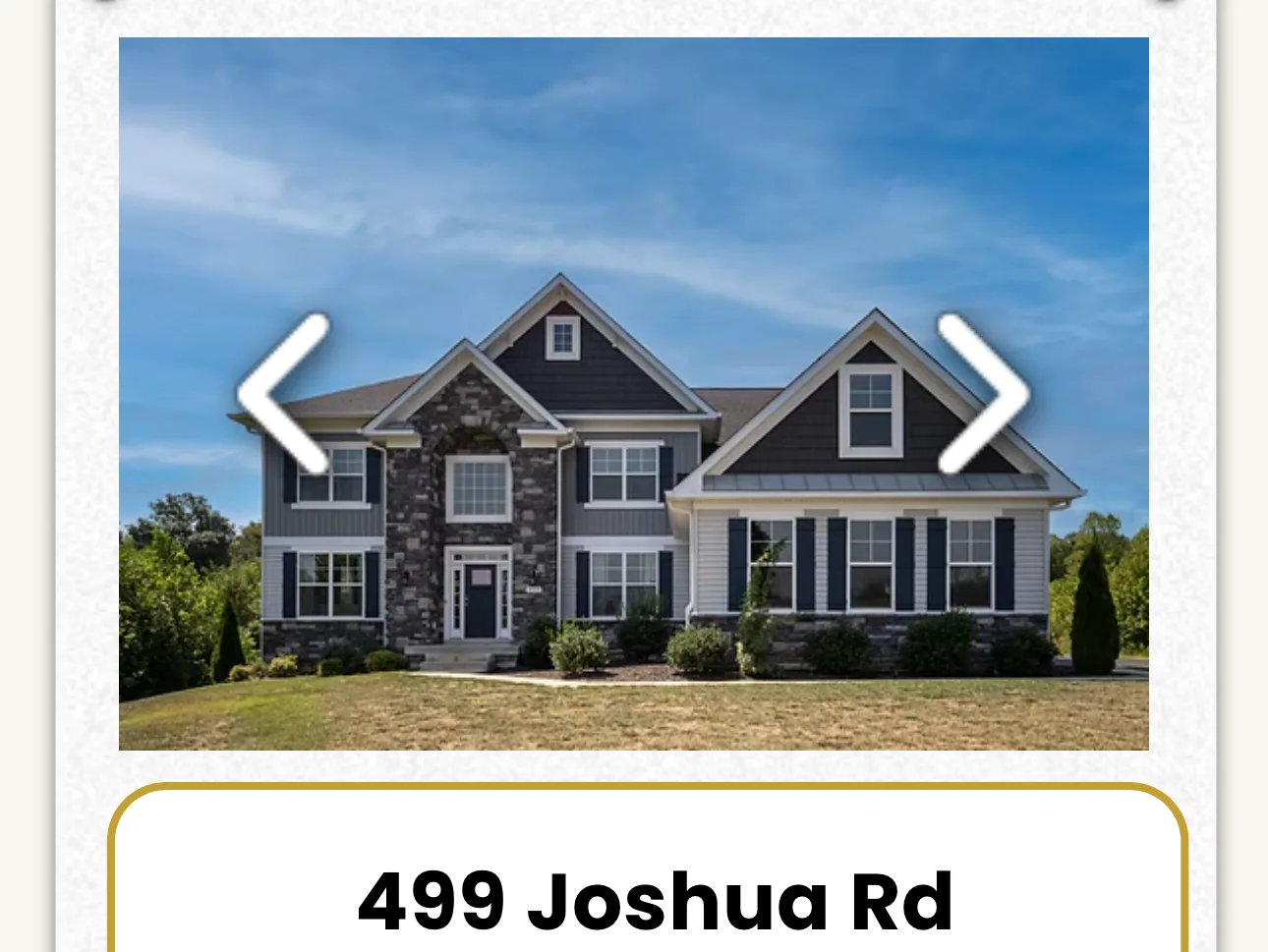
The floor plan matters, but the piece of land it sits on matters just as much. Before you commit to a home, ask to walk the actual homesite or at least see its location on the community map. Here is what to check:
- • Orientation and light. Where does the sun rise and set relative to the front door and the backyard? A west-facing great room can run warm in the summer,and a north-facing primary suite can feel dark most of the year.
- • Views, privacy,and noise. What will you see from the back deck,and what will your neighbors see into your windows? Is the homesite near a main road, a community pool, or a future phase that may add construction traffic?
- • Drainage and grade. Look at how water drains across the lot,and whether you are at the top or bottom of a slope. The sales rep may have grading plans and drainage maps you can review.
- • Lot premium and positioning. Some lots carry hefty premiums for views, cul-de-sac positions, or backing to open space. Decide what those extras are worth to you before you fall in love with a particular homesite.
- • Proximity to what matters. Whether you are commuting to DC, Quantico, or downtown Fredericksburg, or walking to school and shopping, map the community to your daily life before you sign. I take a deeper look at homesite positioning in my lot selection guide.
Tour More Than One Builder, Not More Than You Can Handle
The best new construction decisions come from comparison. The same floor plan can feel completely different priced out by two builders, because standard inclusions vary so widely across Ryan Homes, D.R. Horton, Lennar, Stanley Martin, Toll Brothers,and the many local builders active in our region. Seeing at least two or three builders gives you a baseline for what standard really means,and it makes each incentive package easier to evaluate.
At the same time, do not cram six communities into one weekend. Model home fatigue is real,and after the third identical kitchen you will stop noticing details. Space your tours out, take notes or photos for your own reference,and give each community its own honest look before you compare them side by side.
After the Tour: Turn Notes Into Next Steps
- • Review your notes within a day or two, while the home is still fresh. Highlight the floor plans that really fit,and the details that did not work for you.
- • Price out the upgrades you actually want. Display-level finishes are beautiful, but you can often choose the builder's more modest packages and add the premium pieces over time. My design center guide walks through what is worth upgrading and what to skip.
- • Compare incentive packages side by side. A generous design credit at one community may be worth more or less than a price reduction or a rate buydown at another, depending on your plans and your loan type.
- • Loop in your lender. Compare the builder's preferred lender quote against your own, accounting for rate, fees, and any incentives attached to using their financing.
- • Bring your shortlist back to your agent. Your buyer's agent can pull community details, review lot placement,and walk you through the fine print before you make an offer.
A Few Final Thoughts From Barbara
There is no substitute for standing in a home and imagining your life in it. But a smart tour is more than a nice afternoon: it is a research trip that can save you money, time,and disappointment. Tour with a plan, tour with your questions,and tour with someone in your corner.
New construction communities across Fredericksburg, Stafford, Spotsylvania, Orange, Fairfax,and Prince William County are opening all the time,and every builder tours a little differently. If you are ready to start visiting model homes in our area, I would love to walk them with you.
"The model home is where your new construction journey begins. Tour it like a buyer who knows exactly what to look for, not like a guest who was handed a brochure."
by Barbara Jennings, REALTOR®
When Barbara isn't helping families find their new construction home in Virginia, she's sharing the latest insights on building and buying across the Fredericksburg region. Learn more at barbara-jennings.com.
Ready to Tour New Construction Communities in Virginia?
Schedule a free consultation and I will help you compare builders, communities,and incentives so every tour counts. Whether you are just starting to look or ready to make an offer, let us find the right home together.

Barbara Jennings
REALTOR® · eXp Realty · New Construction Specialist
Barbara Jennings is a licensed Virginia REALTOR® with eXp Realty, specializing in new construction, builder negotiations,and the Fredericksburg-area market. With her proven 100-point Marketing Plan and advanced AI-driven strategies, she helps buyers find the right home at the right price,and save thousands in the process.