

Build timelines vary by builder and community, and I'm Barbara Jennings, REALTOR® with eXp Realty, ready to share current timeframes for the specific builders and communities you're considering, just call (540) 840-1133.
One of the biggest questions I hear from new construction buyers across the Fredericksburg, Stafford, and Spotsylvania area is: "How long is this going to take?" It's a fair question — you're making one of the largest financial decisions of your life, and the timeline can feel opaque from the outside. The truth is, every new construction project follows a general arc, and once you understand that arc, the waiting becomes a lot more manageable. Here's exactly what happens between the day you sign a contract and the day you walk through your front door with the keys in your hand.
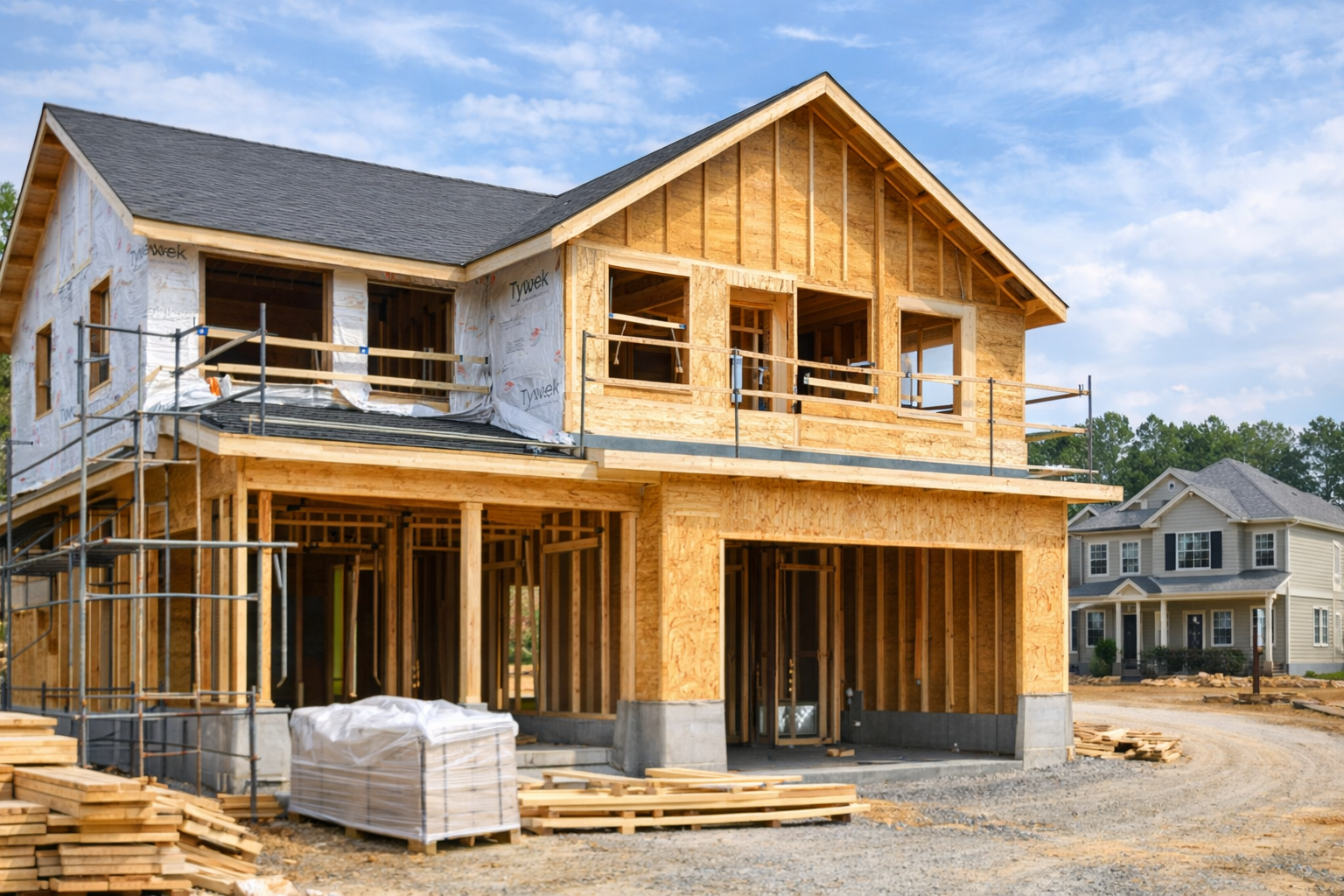
Phase 1: Pre-Contract and Lot Selection (1–4 Weeks)
Before any construction begins, there's an important foundation work — of the paperwork kind. During this phase, you'll tour model homes, review floor plans, compare communities, and choose your lot. If you're building from scratch (as opposed to purchasing a quick move-in or spec home), this is where you'll make some of your first big decisions.
In communities like Lennar's Virginia Heritage, Ryan Homes' Alexander's Crossing, or Toll Brothers' Regency at Chancellorsville, lot selection can be surprisingly competitive — especially for corner lots, lots backing to wooded buffers, or lots with larger yards. I always recommend buyers bring their list of must-haves versus nice-to-haves before they walk into the sales office, because the best lots go first.
What Happens in This Phase
- → Tour model homes and available communities
- → Select your floor plan and lot
- → Review the purchase agreement and contract terms
- → Negotiate pricing, incentives, and any custom requests
- → Submit earnest money deposit (typically $5,000–$25,000)
- → Get pre-approved with a lender (if not already done)
Phase 2: Design Center Selections (2–6 Weeks)
This is the phase buyers tell me is the most fun — and the most overwhelming. After your contract is signed, you'll visit the builder's design center (or, in some cases, meet with a design consultant) to choose the finishes that make your home yours. We're talking about everything from countertop material and cabinet style to flooring, tile, lighting fixtures, hardware, and paint colors.
Most builders offer tiered packages: a standard package included in your base price, then upgrade options at varying price points. Some communities — like those from Lennar — include many finishes in the base price, while others, like Toll Brothers or Stanley Martin, offer extensive à la carte menus. This is where those builder incentives I wrote about recently can really shine — a $10,000 design center credit goes a long way toward upgrading your kitchen countertops or adding hardwood throughout the main level.
Pro tip from the field: Bring photos, measurements, and a prioritized list to your design appointment. It's easy to get swept up in upgrades, and having a clear budget and plan keeps you focused on the choices that matter most for your lifestyle.
What Happens in This Phase
- → Visit the builder's design center or meet with a consultant
- → Select countertops, cabinets, flooring, fixtures, and paint
- → Review structural options (basement, extended garage, sunroom, etc.)
- → Sign off on selections and finalize your build specifications
- → Finalize financing details with your lender
Phase 3: Permits and Site Preparation (2–6 Weeks)
This is the least visible but critically important phase. The builder submits construction plans to the local county for permits, coordinates utility connections, and prepares the lot for building. In Virginia, permitting timelines vary by county — Spotsylvania and Stafford counties generally process permits within 3 to 6 weeks, while more complex plans or those requiring special inspections may take longer.
During this time, the lot will be cleared, graded, and the foundation footprint staked out. If your lot requires tree removal, drainage adjustments, or rock blasting (yes, that's a thing in parts of Spotsylvania and Orange), it happens here. This is also when the survey is finalized and any HOA architectural review board approvals are secured.
As a buyer, there's not a lot to do during this phase — but it's the perfect time to finalize your moving timeline, coordinate with your current home's listing agent if you're selling, and start packing. A good agent uses this downtime strategically.
Phase 4: Foundation and Framing (4–8 Weeks)
Now the visible construction begins. The foundation is poured — typically a concrete slab in the Fredericksburg area, though crawl spaces and full basements are also common depending on the lot and community. Once the foundation cures, the framing crew arrives and the skeleton of your home goes up.
Framing is usually the most exciting phase for buyers. Driving past your lot and seeing walls, roof trusses, and window openings take shape makes everything feel real. Most builders in the region allow drive-by viewing during this phase, and some offer periodic "hard hat tours." I recommend taking photos at each stage — you'll treasure them later.
What Happens in This Phase
- → Foundation poured and cured (slab, crawl, or basement)
- → Framing walls, roof trusses, and subfloor installed
- → Windows and exterior doors set
- → Roof decking and underlayment installed
- → Pre-drywall framing inspection (county or third-party)
Important: After framing is complete and before drywall goes up, there's a critical milestone — the pre-drywall inspection. This is your chance to walk through the home's skeleton and verify room dimensions, window placements, electrical rough-in locations, and plumbing routing. Some builders include a pre-drywall walk-through automatically; others only offer it if your buyer's agent requests it. I always request it — and I attend with you. It's one of the most valuable inspections in the entire build process.
Phase 5: Mechanical, Electrical, and Plumbing (2–4 Weeks)
Once the skeleton is up and inspected, the "guts" of the house go in. Plumbers run supply and drain lines, electricians rough in wiring and set the electrical panel, and HVAC contractors install ductwork and set the furnace and air handler. This phase also includes insulation installation and the start of drywall work.
In the Virginia climate, insulation is especially important — homes built to current Virginia Uniform Statewide Building Code standards must meet specific R-value requirements for walls and attics. Many of the national builders active in our area (D.R. Horton, Lennar, Ryan Homes) are building to enhanced energy efficiency standards that exceed code, which can meaningfully lower your monthly utility bills.
A county or third-party inspection occurs after MEP rough-in to verify everything meets code before drywall closes up the walls. This is another checkpoint where having a buyer's agent who understands new construction adds real value.
Phase 6: Drywall, Interior Finishes, and Trim (3–6 Weeks)
This is when your house starts looking like a home. Drywall is hung, taped, and finished. Interior paint goes on. Cabinets are installed, countertops are templated and set, and flooring is laid. Trim carpenters install baseboards, crown molding, door casings, and stair railings. Electrical fixtures, plumbing fixtures, and appliances are installed.
This phase has the most moving parts and is the most sensitive to supply chain delays. If you've selected custom countertops, imported tile, or specialty fixtures, lead times can extend the timeline by a week or two. That's another reason why working with an experienced buyer's agent matters — I can flag potential delay risks during the design phase before they become schedule problems.
What Happens in This Phase
- → Drywall installed and finished
- → Interior paint completed
- → Cabinets, countertops, and tile installed
- → Hardwood, LVP, or carpet flooring laid
- → Trim, doors, and hardware installed
- → Plumbing fixtures, light fixtures, and appliances set
Phase 7: Exterior and Site Work (2–4 Weeks)
While the interior finishes are wrapping up, the exterior of your home gets completed. This includes siding or brick installation, exterior trim, garage door installation, and the front entry. The driveway is poured, the final grading is completed, and the landscaping is installed — sod or seed, shrubs, trees, and sometimes a basic sprinkler system.
In many Fredericksburg-area communities, the builder handles front-yard landscaping while the backyard is left as graded soil for you to landscape yourself. Some builders offer landscape packages as upgrades. The specifics vary widely, so review your purchase agreement carefully and ask questions early.
Phase 8: Final Inspections and Quality Checks (1–2 Weeks)
Before you can close, the home must pass a final building inspection by the local jurisdiction. The inspector verifies that the home meets all applicable building codes — electrical, plumbing, mechanical, structural, and energy. The builder also conducts their own internal quality check, which typically includes a detailed punch list of any items that need touch-up, repair, or completion.
This is also when your home appraisal happens. Your lender will send an independent appraiser to confirm the home's value supports your loan amount. In new construction, appraisal issues are relatively rare, but they can occur if the market has shifted or if structural upgrades pushed the home's value above comparable sales.
Phase 9: Your Pre-Closing Walk-Through (1–2 Days Before Closing)
This is the moment everything has been building toward. Your pre-closing walk-through is your final opportunity to inspect the home before you officially own it. You'll go room by room, testing every outlet, faucet, appliance, door, and window. You'll check that all your design center selections are correct, that the punch list items have been addressed, and that everything meets your expectations.
I attend every pre-closing walk-through with my buyers. I've been through dozens of these, and experience teaches you what to look for — things like paint touch-ups, grout lines, cabinet alignment, and trim gaps that the average buyer might miss. It's a detail-oriented process, and having a second set of trained eyes makes a real difference.
Walk-Through Checklist Highlights
- → Test all electrical outlets, switches, and light fixtures
- → Run every faucet, flush every toilet, check for leaks
- → Open and close all doors, windows, and garage door
- → Verify appliances match your selections and power on correctly
- → Check walls, ceilings, and floors for damage or imperfections
- → Verify HVAC system heats and cools properly
- → Confirm exterior grading slopes away from the foundation
Phase 10: Closing Day — Keys in Hand (1 Day)
Closing day in Virginia typically takes 1 to 2 hours. You'll sign your mortgage documents, pay your closing costs and down payment, and receive the keys to your new home. In Virginia, closings are handled by a title company or attorney — the specific process varies by county and by builder.
Most builders also provide you with a homeowner orientation — a guided walk-through of your new home's systems, including how to operate the HVAC, program the thermostat, locate the water shut-off, and understand your warranty. Some builders, like Lennar, offer a comprehensive "Worry-Free" warranty program that covers systems and appliances for up to 10 years. Others, like Ryan Homes, offer a one-year craftsmanship warranty, a two-year systems warranty, and a ten-year structural warranty. Understanding your warranty coverage is essential — and I'll make sure you know exactly what's covered before you close.
And then — you're home. New front door, new keys, and a home that no one has ever lived in before. There's nothing quite like it.
Complete Timeline at a Glance
Contract & Lot Selection
1–4 weeks
Design Center Selections
2–6 weeks
Permits & Site Preparation
2–6 weeks
Foundation & Framing
4–8 weeks
Mechanical, Electrical & Plumbing
2–4 weeks
Drywall, Finishes & Trim
3–6 weeks
Exterior & Site Work
2–4 weeks
Final Inspections & Quality Checks
1–2 weeks
Pre-Closing Walk-Through
1–2 days before closing
Closing Day
1 day — keys in hand
Why Having a Buyer's Agent Matters for New Construction
I want to be direct about something: you don't need a buyer's agent to purchase new construction. The builder's sales agent is friendly, knowledgeable, and eager to help — but they work for the builder, not for you. Having your own representation throughout this process means someone is watching out for your interests at every phase: negotiating incentives, flagging timeline risks, requesting pre-drywall inspections, attending walk-throughs, and making sure nothing falls through the cracks.
And here's something many buyers don't realize: in most cases, the builder pays the buyer's agent's commission. It's built into their marketing budget. So having professional representation typically costs you nothing — but not having it can cost you quite a lot.
Across the Fredericksburg, Stafford, Spotsylvania, Orange, Fairfax, and Prince William County areas, every builder operates a little differently. Some are more transparent than others. Some include more in the base price; others nickel-and-dime upgrades. Some meet their timelines; others don't. Having someone in your corner who's worked with these builders repeatedly — who knows which sales managers are more flexible, which communities have the best quality control, and where the hidden costs tend to show up — that's the kind of inside knowledge that makes your new construction experience smoother, less stressful, and ultimately more affordable.
"The building process is exciting, but it's also full of decisions. My job is to make sure none of those decisions catch you off guard — and that every one of them works in your favor."
— Barbara Jennings
When Barbara isn't helping families find their new construction home in Virginia, she's sharing the latest insights on building and buying across the Fredericksburg region. Learn more at barbara-jennings.com.
Building a New Home in Virginia? Let's Talk.
Whether you're just starting to explore new construction communities or you're ready to break ground, I can guide you through every step of the process. Contact me today for a free consultation.

Barbara Jennings
REALTOR® · eXp Realty · New Construction Specialist
Barbara Jennings is a licensed Virginia REALTOR® with eXp Realty, specializing in new construction, builder negotiations, and the Fredericksburg-area market. With her proven 100-point Marketing Plan and advanced AI-driven strategies, she helps buyers find the right home at the right price — and save thousands in the process.