
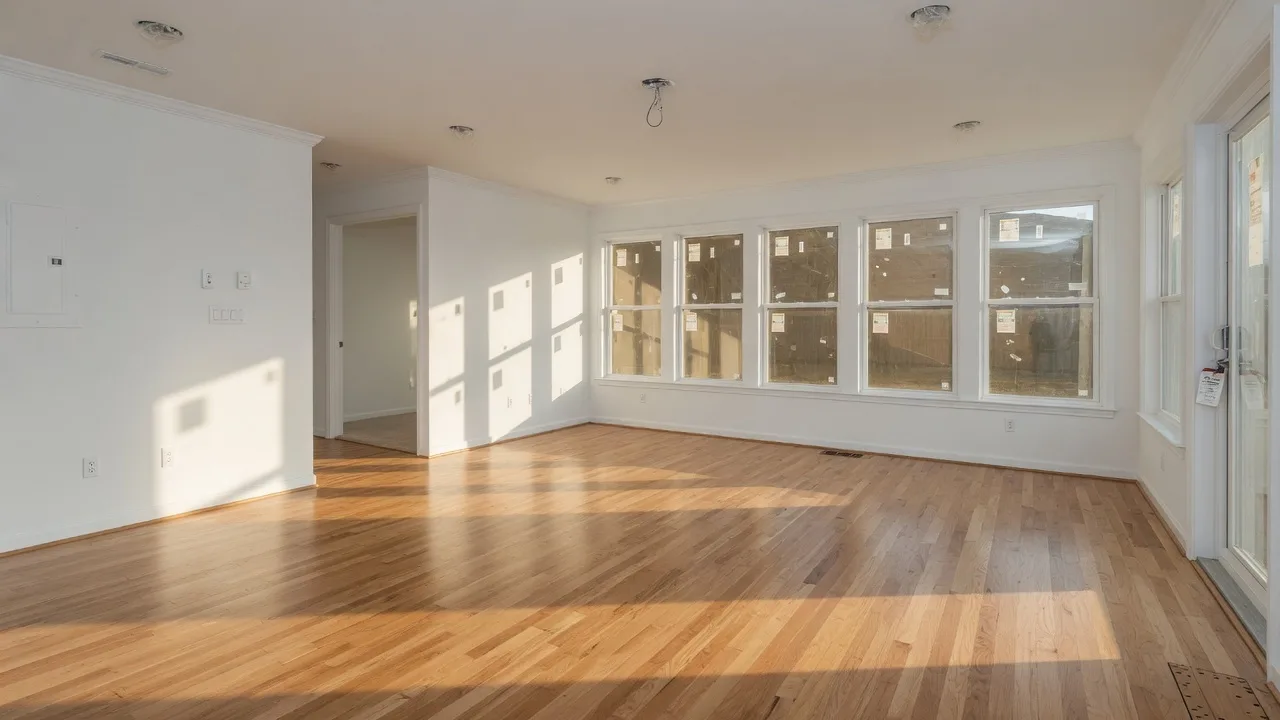
One of the most underappreciated advantages of buying a new construction home is the builder warranty. It's a powerful layer of protection that resale homes simply can't offer — but only if you understand what it covers, what it doesn't, and how to make sure you're using it effectively. After helping dozens of families through the new construction process across the Fredericksburg, Stafford, and Spotsylvania area, I've found that warranty confusion is one of the most common (and most preventable) sources of buyer frustration. So let's clear it up.
Whether you're buying from Ryan Homes, D.R. Horton, Lennar, Toll Brothers, or any other builder active in the Virginia corridor, every new home comes with some form of warranty coverage. But the details matter — and they vary significantly from builder to builder. Here's everything you need to know before you close on your new construction home.
What Is a New Construction Home Warranty?
A new construction home warranty is a guarantee from the builder that your home was constructed according to applicable building codes and industry standards, and that it will be free from certain defects for a specified period. Unlike a home inspector's report — which is a snapshot in time — a builder warranty is a contractual obligation that extends over years, covering issues that may not become apparent until months or even years after you move in.
In Virginia, the law provides a baseline of protection. Under Virginia Code § 55.1-357, every new home sale carries implied warranties that the builder must honor — unless the contract specifically replaces them with a limited written warranty (which most production builders do). Understanding this distinction between statutory implied warranties and the builder's written warranty program is important, and it's something I walk through with every buyer I represent.
Virginia's Baseline Warranty Protections
Virginia law establishes two key implied warranties for new residential construction:
1-Year Warranty
Virginia requires a one-year warranty from the date of closing (or when the buyer takes possession, whichever comes first). During this period, the builder must address defects in workmanship and materials that render the home unfit for normal use.
5-Year Foundation Warranty
Virginia extends the implied warranty on the foundation to five years. This covers structural defects in the foundation that would make the home uninhabitable — cracked slabs, settling issues, and similar structural failures.
Here's the important catch: most production builders include a clause in their purchase agreement that replaces these implied warranties with their own limited written warranty program. This isn't necessarily a bad thing — in fact, most builder warranty programs offer more coverage than the statutory minimums, especially in the structural category. But it means you need to read and understand the builder's specific warranty documents, not just rely on what Virginia law provides.
Under Virginia law, if a builder does include a warranty waiver in the contract, the buyer must first provide written notice of any defect. The builder then has a reasonable period — up to six months — to inspect and attempt to cure the issue before the buyer can pursue other remedies. This notice-and-cure process is standard across most builder warranties, but the timelines and procedures vary.
The 1-2-10 Warranty Structure: What Most Builders Offer
The vast majority of production builders active in the Fredericksburg, Stafford, and Spotsylvania area follow a 1-2-10 warranty structure. This is the industry standard — a tiered system that provides different levels of coverage for different types of issues, each with its own time period. Here's how it works:
Year 1: Workmanship & Materials
Full coverage on construction quality and materials
The first year is your most comprehensive coverage period. During this time, the builder is responsible for correcting defects in workmanship and materials throughout the home. This includes things like paint touch-ups, drywall cracks, cabinet adjustments, flooring issues, trim gaps, grout problems, and any other cosmetic or functional issue resulting from how the home was built. If something isn't right — a door that doesn't latch, a faucet that drips, a window that sticks — this is the year to document and report it.
What to do: Schedule a thorough walk-through at the 10- or 11-month mark (well before your warranty expires) and create a detailed punch list. Many builders will send a warranty representative to your home to address Year 1 items. Don't wait until month 12 — by then, you may lose your right to claim.
Years 1–2: Mechanical Systems
Extended coverage on plumbing, electrical, and HVAC
The second tier covers the home's mechanical systems — plumbing, electrical, and HVAC (heating, ventilation, and air conditioning). These are the systems that take time to reveal problems. A plumbing leak behind a wall, an electrical panel issue, or an HVAC system that can't maintain consistent temperatures may not show up until you've lived through a full seasonal cycle. This two-year window gives those systems time to demonstrate whether they were installed correctly.
What to do: Keep records of any system-related issues from Day 1, even minor ones. An HVAC technician who notes that your system is running inconsistently in month 4 could be documenting a warranty claim for month 14. Track everything.
Years 1–10: Structural Defects
Long-term protection on the home's structural integrity
The most critical tier covers major structural defects — issues that affect the load-bearing components of your home, the foundation, and the structural envelope. This includes foundation settling, load-bearing wall failures, roof structural issues, and significant water intrusion caused by structural deficiencies. A structural defect is typically defined as one that renders the home unsafe or uninhabitable, or that significantly impairs its use.
What to do: Keep your warranty documents, closing paperwork, and any inspection reports in a safe, accessible place for the full 10-year period. Structural issues can take years to manifest, and you'll need documentation to file a claim.
How Major Builders' Warranties Compare
While the 1-2-10 structure is the baseline, each builder administers their warranty program a little differently — in who administers it, what's specifically included and excluded, and how claims are processed. Here's a comparison of the major builders active in the Fredericksburg corridor:
| Builder | Warranty Structure | Administrator | Transferable? |
|---|---|---|---|
| Ryan Homes | 1-2-10 (workmanship, systems, structural) | Professional Warranty Service Corp. (PWSC) | Yes, remainder of term |
| D.R. Horton | 1-10 (workmanship + structural) | Residential Warranty Corp. (RWC) | Yes, remainder of term |
| Lennar | 1-2-10 (workmanship, systems, structural) | Lennar Limited Warranty / third-party | Yes, remainder of term |
| Toll Brothers | 1-2-10 (workmanship, systems, structural) | 2-10 Home Buyers Warranty | Yes, remainder of term |
| Stanley Martin | 1-2-10 (workmanship, systems, structural) | Varies by community | Yes, remainder of term |
Warranty details are based on publicly available warranty documentation and may vary by community, state, and specific home. Always review the exact warranty documents provided at closing.
What's NOT Covered by Your Builder Warranty
Understanding the exclusions is just as important as understanding the coverage. Builder warranties are limited warranties — they cover specific categories of defects for specific time periods, but they don't cover everything. Here's what's typically excluded:
Normal Wear and Tear
Scuffs, dings, and gradual deterioration from everyday living aren't warranty issues — they're homeownership.
Landscaping and Grading
Sod, seed, plants, and soil settlement after closing are generally excluded. Some builders offer separate landscape warranties.
Appliances and Fixtures
Kitchen appliances, water heaters, HVAC units, and similar equipment typically carry separate manufacturer warranties — not builder warranties.
Consequential Damages
If a defect causes secondary damage (e.g., a plumbing leak that ruins flooring), the builder typically isn't responsible for the secondary damage — only the original defect.
Homeowner-Caused Damage
Damage from modifications, improper maintenance, or failure to follow the home care guidelines provided at closing isn't covered.
Cosmetic Settling
Minor drywall settling, nail pops, and hairline cracks from normal foundation settling are expected and generally not covered (unless they indicate a structural defect).
How to File a Warranty Claim in Virginia
Filing a warranty claim is straightforward, but doing it correctly is critical to getting a timely resolution. Here's the process I recommend:
- 1
Document Everything in Writing
Take photos, videos, and detailed notes about the issue. Note when it first appeared, how it's progressing, and any related symptoms. Written documentation is your strongest tool in any warranty claim.
- 2
Submit Written Notice to the Builder
Virginia law and most builder warranties require written notice. Send your claim via email (for a timestamped record) and follow up with a physical letter if needed. Include your name, address, contract number, and a clear description of the issue.
- 3
Know Your Cure Period
Once the builder receives your written notice, they have a reasonable time to inspect and attempt to repair the issue. Under Virginia law, this cure period cannot exceed six months. Most builders respond much faster — typically within 30 days for Year 1 claims.
- 4
Follow Up and Verify Repairs
When the builder schedules repairs, be present if possible. After the repair is complete, verify the work and document it in writing. If the issue recurs, you have a record of the original claim and the attempted repair — which strengthens your position for further action.
- 5
Escalate if Necessary
If the builder fails to respond or refuses to repair a covered defect, you have options. Third-party warranty administrators (like PWSC or RWC) can mediate. In some cases, you may need to consult with a construction law attorney. This is rare, but knowing the path exists gives you leverage.
Builder Warranty vs. Manufacturer Warranty: Know the Difference
This is a point of confusion I see constantly, so let me be clear: your builder warranty and your manufacturer warranties are two separate things. The builder warranties the home's construction — how things were built, installed, and finished. The manufacturer warranties the individual products installed in the home — appliances, HVAC equipment, water heaters, countertops, roofing shingles, and so on.
For example, if your HVAC system fails in year three, that's likely a manufacturer warranty claim against the HVAC brand (Carrier, Trane, Lennox, etc.), not a builder warranty claim. If the HVAC was installed incorrectly and that installation flaw caused the failure, that's a builder warranty claim. The distinction matters, and it's one of the reasons keeping organized records from Day 1 is so important.
Typical Manufacturer Warranty Periods
Manufacturer warranty periods vary by brand and product. Review all warranty documents provided at closing and register your products with manufacturers promptly to activate coverage.
What About a Homeowner's Insurance Warranty?
Some buyers ask about home warranty companies — the third-party services that offer annual coverage plans for plumbing, electrical, and appliance repairs. These are not the same as your builder warranty, and they're not a substitute for it. A home warranty service plan is essentially a service contract that covers repair or replacement of specific systems and appliances after the builder and manufacturer warranties expire. They typically cost $300 to $600 per year and come with service call deductibles.
My recommendation: don't purchase a home warranty plan until you've fully understood what your builder and manufacturer warranties cover. Many new construction buyers pay for overlapping coverage they don't need. Once your builder warranty expires (typically after Year 1 for workmanship), a home warranty plan can make sense as supplemental protection — but during the builder warranty period, it's usually redundant.
Can You Transfer Your Warranty to a New Owner?
Yes — and this is one of the hidden advantages of new construction for resale value. Most builder warranties are transferable to subsequent owners for the remainder of the coverage period. If you sell your home in year five, the buyer inherits the remaining five years of structural warranty coverage, which is a genuine selling point.
However, transfer procedures vary by builder and warranty administrator. Some require written notification within 30 days of the sale. Others require a transfer fee. If you're planning to sell within the first 10 years, check your warranty transfer provisions early so you can communicate the benefit to potential buyers. Having a transferable warranty can make your home more attractive in a competitive resale market — especially compared to older homes with no warranty coverage at all.
Five Ways to Protect Your Warranty Coverage
Create a Warranty Binder
At closing, you'll receive a stack of warranty documents — the builder's warranty booklet, manufacturer warranties, appliance manuals, and third-party administrator information. Organize everything in a binder or digital folder. This is your warranty bible, and you'll need it for the next decade.
Register Your Appliances and Systems
Many manufacturers require product registration to activate full warranty coverage. Do this within the first 30 days of closing. It takes 10 minutes and could save you thousands if something fails under the manufacturer's warranty period.
Keep a Home Maintenance Log
Document routine maintenance — HVAC filter changes, gutter cleaning, water heater flushes, lawn irrigation schedules. A well-maintained home is easier to warranty-claim because you can demonstrate that issues aren't caused by neglect.
Schedule Your 11-Month Walk-Through
This is the most important thing you can do. At 11 months after closing, do a thorough walk-through of your entire home and document every issue — no matter how small. Submit the list to your builder before the one-year workmanship warranty expires. I attend these walk-throughs with my buyers and bring a trained eye.
Don't Modify Without Thinking
Some modifications — particularly to structural components, electrical panels, or plumbing — can void portions of your warranty. Before making significant changes to your home, check with your builder or warranty administrator to understand the impact on your coverage.
The Bottom Line
A new construction home warranty is one of the most valuable protections you'll have as a homeowner — but it only works if you understand it and actively use it. The 1-2-10 structure gives you a full year to catch workmanship issues, two years for mechanical systems, and a full decade for structural defects. Virginia law provides a baseline of protection, and most builders' written warranty programs meet or exceed that baseline.
The buyers who get the most out of their warranties are the ones who stay organized, document issues early, submit claims in writing, and never let a deadline pass without acting. It's not complicated — but it does require awareness and follow-through.
If you're buying new construction anywhere in the Fredericksburg, Stafford, Spotsylvania, Orange, Fairfax, or Prince William County area, I'll make sure you understand your warranty coverage before you close — and I'll help you navigate any claims that come up during the coverage period. That's the kind of ongoing support that makes the new construction experience smoother, less stressful, and better protected.
"A new home warranty is only as good as the homeowner who uses it. Know your coverage, document everything, and don't let a deadline pass you by."
— Barbara Jennings
When Barbara isn't helping families find their new construction home in Virginia, she's sharing the latest insights on building and buying across the Fredericksburg region. Learn more at barbara-jennings.com.
Buying New Construction in Virginia?
From builder warranties to negotiation strategies, I'll make sure you understand every detail before you sign. Contact me today for a free consultation.

Barbara Jennings
REALTOR® · eXp Realty · New Construction Specialist
Barbara Jennings is a licensed Virginia REALTOR® with eXp Realty, specializing in new construction, builder negotiations, and the Fredericksburg-area market. With her proven 100-point Marketing Plan and advanced AI-driven strategies, she helps buyers find the right home at the right price — and save thousands in the process.