
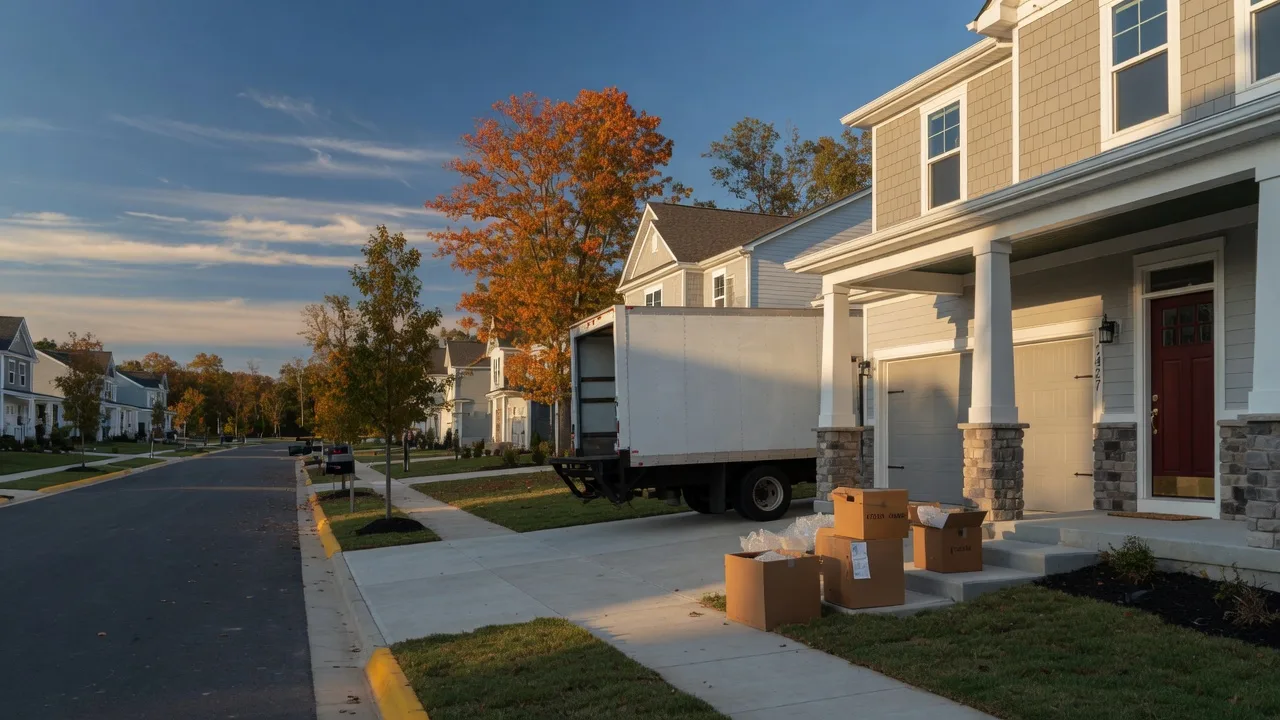
You can absolutely sell your current home and buy new construction at the same time in Virginia, but the path depends on how much flexibility you have with your timeline and your financing. Most Virginia builders will not accept an offer that is contingent on the sale of your existing home, because a new build takes six to fourteen months and the builder needs schedule certainty. The good news is that move-up buyers have several practical ways to make it work: using a bridge loan or HELOC, negotiating a deadline-based contingency with a kick-out clause, selling first and renting back, or simply timing your listing around the new home's completion date.
As a new construction specialist serving Fredericksburg, Stafford, Spotsylvania, Orange, Fairfax, King George, and Prince William County, I have walked dozens of families through this exact juggling act. Let me walk you through how it really works, so you can plan your move with confidence instead of guessing.
Why Buying New Construction While Selling a Home Feels So Tricky
There are two things happening at once in a move-up new build, and they pull in opposite directions. First, most people need the equity from their current home to fund the new down payment and closing costs. Second, builders want buyers who can close on a predictable date with financing already in order, because an empty spec home costs the builder money every month it sits.
On top of that, a new construction home is rarely ready when you first think it will be. Schedules slip, supply chains hiccup, and weather happens. If you sell your current home too early, you may need temporary housing. If you sell it too late, you may find yourself carrying two mortgages. The whole game is about building in cushion on both sides of the closing date, and that is where a good plan and a good agent earn their keep.
Will a New Home Builder Accept an Offer Contingent on Selling Your Home?
The short answer is: usually not, but it depends on the builder, the community, and how much demand that community is seeing. Standard new construction contracts in Virginia often state that the purchase is expressly not contingent upon the sale or lease of the purchaser's existing home. That language is not an accident. A contingent buyer takes a new home off the builder's inventory while the builder keeps paying interest, taxes, and marketing costs, so most production builders across the Fredericksburg and Northern Virginia corridor reject sale contingencies outright.
That said, the market changes the conversation. In communities where inventory is moving more slowly, or on quick move-in and spec homes the builder wants to close before quarter end, an experienced agent can sometimes negotiate a limited sale contingency with a firm deadline and a kick-out clause. It is never guaranteed, and it changes with each phase release, so the smart move is to have your financing alternatives ready before you ever sit down at a sales center. If you can make a clean, non-contingent offer, you are in the strongest negotiating position possible.
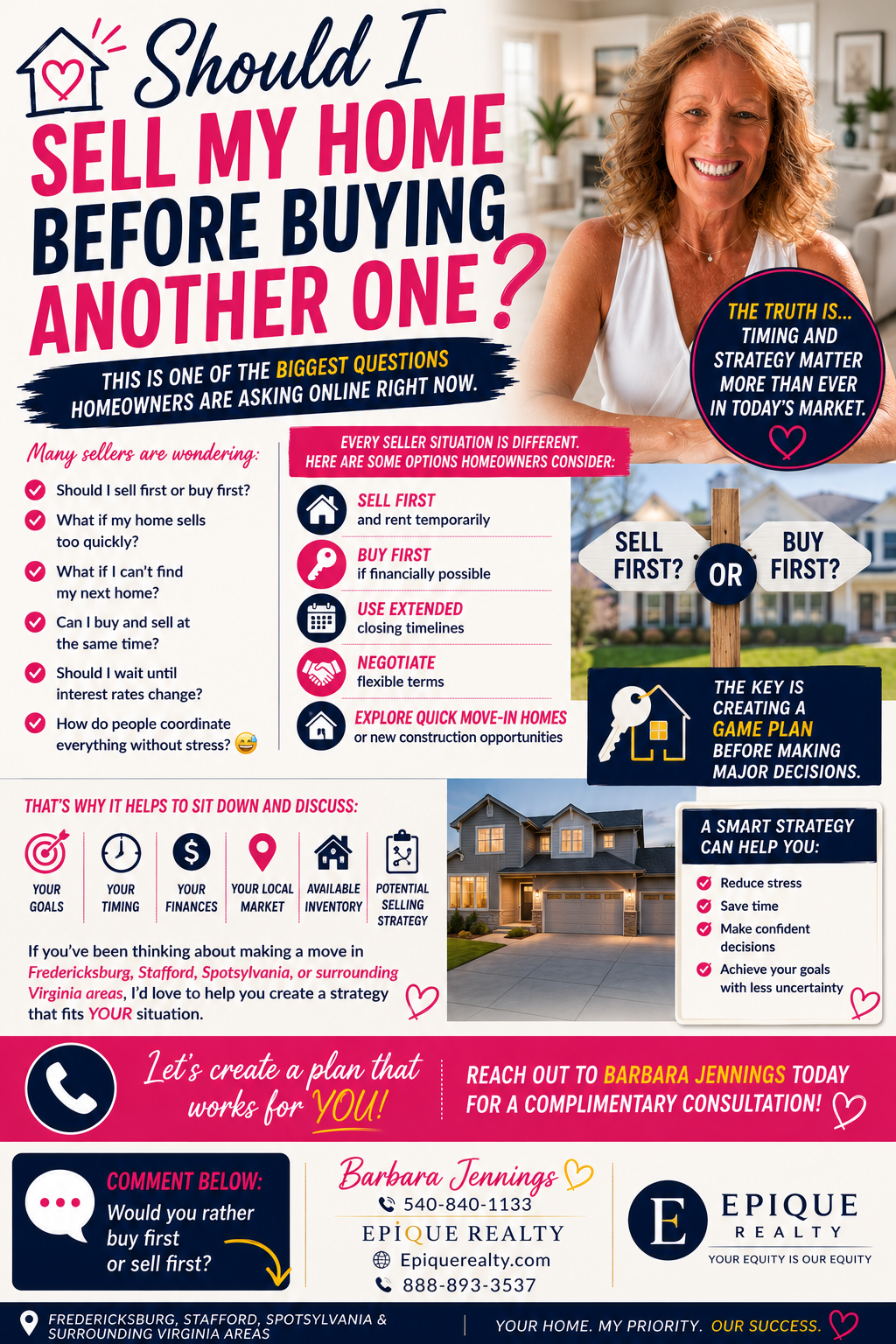
Four Ways to Buy New Construction Before Your Current Home Sells
If the builder will not take a sale contingency, you still have options. Here are the four paths I most often recommend to move-up buyers, in rough order from simplest to most complex.
Sell First, Then Build
The cleanest path. Sell your current home, move into temporary housing (or rent for a few months), and let the new build finish on its own schedule. You make the strongest offer possible, you never carry two mortgages, and you can often use your sale proceeds for the entire down payment. The trade-off is moving twice.
Tap Equity With a Bridge Loan or HELOC
If your current home has meaningful equity, a bridge loan or home equity line of credit can give you the cash you need for the new down payment while you wait to sell. You keep your current home until the new build is ready, then pay the short-term loan off at closing. This keeps your offer clean and your life in one place.
Negotiate a Deadline-Based Contingency
On slower-moving inventory, some builders accept a sale contingency with a firm deadline, often 60 to 90 days, plus a kick-out clause. If another buyer makes an offer, you have a short window to remove your contingency or lose the home. It is a gamble, but in the right community it works.
Sell First and Rent Back
Sell your current home, then negotiate a post-settlement occupancy agreement, commonly called a rent-back, to stay in the home for a set period after closing. In Northern Virginia this is documented with the NVAR K1020 form, usually with a cap of around 60 days and a daily rate. It gives you a soft landing while the new build finishes.
How Bridge Loans and HELOCs Work for New Construction
A bridge loan is a short-term loan secured by the equity in your current home, designed to be paid off when that home sells. It lets you access cash for the new build's down payment and closing costs without waiting for your sale to close. Because bridge loans are short-term facilities, they typically carry higher interest rates and fees than a normal mortgage, so they are a tool for a specific window, not a long-term companion.
A home equity line of credit, or HELOC, works differently: it is a revolving line of credit against your equity that you draw on as needed and pay back over time. HELOCs often have lower costs than a bridge loan, and because you only pay interest on what you actually draw, they can be the more economical choice if you only need to cover part of the down payment. Both options depend on how much equity you have, your credit profile, and your lender's willingness to underwrite the overlap, so it is worth comparing a bridge loan, a HELOC, and the builder's preferred lender programs side by side. Read our guide to builder's lender vs. outside lender financing for the full comparison.
What to Do Before You List Your Current Home
A new build takes months, which is exactly why you have time to sell your current home well. The families who sell fastest and for the most money treat their existing home like a product, not a sentimental space, and they get it market-ready before the listing goes live. Here is the checklist I give every move-up seller in the Fredericksburg region.

Schedule a pre-listing inspection.
Finding roof, HVAC, or plumbing issues before you list means you can fix them on your timeline instead of negotiating from a buyer's inspection report. Buyers of existing homes in Virginia almost always order an inspection, so get ahead of it.
Declutter and neutralize.
Remove personal photos, reduce furniture to create space, and paint bold rooms in neutral tones. Buyers need to picture their own life in the house, not admire yours.
Stage it or at least frame it well.
Professional photography, bright light, fresh flowers on the counter, and a tidy yard are the cheapest marketing you will ever buy. Your listing photos are what get buyers in the door.
Price it with real data, not emotion.
Your agent should show you the comparable sales, the days-on-market trend in your neighborhood, and how your home stacks up. In today's market, the first two weeks of a listing are the most powerful, so pricing right the first time outsells relisting later.
Build a Timeline That Lines Up Both Closings
The most common move-up mistake is guessing at the new build's completion date instead of confirming it in writing. Ask the builder for the estimated completion and closing date before you list your current home, and then build in cushion on both sides. A typical Virginia new build runs roughly six to fourteen months from contract to closing, and that window can move by weeks depending on framing, inspections, and material deliveries. Read our step-by-step new construction timeline guide to understand each phase.

In the Fredericksburg corridor, well-priced, well-presented homes typically attract offers within a few weeks of hitting the market, while homes that need a price adjustment can sit much longer. If your new build is scheduled to finish in, say, eight months, you have room to list your current home around month three or four, close on the sale by month five or six, and either rent back or move into temporary housing until the new home is ready. The exact numbers depend on your market, your home, and the builder's schedule, which is why I always recommend working the calendar backwards from the new build's closing date, not forwards from the listing date.
Questions Move-Up Buyers Ask Me Most Often
When should I list my current home?
Work backwards from the builder's estimated closing date, then add a month of cushion. For a typical 8-month build, listing your current home around month three or four gives you time to sell, close, and arrange housing before the new home is ready. If the builder gives you a firm completion date, you can tighten that window; if the date is optimistic, widen it.
Can I use the equity in my current home for the new build's down payment?
Yes, and it is one of the most common ways move-up buyers fund a new build. You can draw on equity with a bridge loan or HELOC now and pay it off when your current home sells, or you can sell first and use the proceeds directly. Just remember that lenders underwrite based on your whole picture, including the existing mortgage, the new mortgage, and any bridge financing, so get your lender involved early.
What is a kick-out clause?
A kick-out clause protects the seller if a contingent buyer's home does not sell in time. If the builder receives another offer, your contingency window opens, often 48 to 72 hours, and you must drop your sale contingency or the builder can move to the next buyer. It is a standard tool when builders agree to any sale contingency at all.
Should I rent for a few months between homes?
For many move-up buyers, renting for three to six months is the lowest-stress option. You sell your current home cleanly, bank the equity, and let the builder finish without watching a calendar. Short-term rentals and month-to-month leases cost more per month than a long lease, but the peace of mind is often worth it, especially for families with school-age children who need a firm move date.
Will I lose my deposit if my current home doesn't sell?
Possibly, which is exactly why the contingency and timeline details belong in the contract before you sign. Builder contracts in Virginia are detailed documents, and the earnest money, contingency language, and construction start date all interact. Have a real estate attorney or your agent review every page, and confirm what happens to your deposit if you cannot close by the deadline. That twenty-minute read can save you from a very expensive surprise.
"The families who sell their current home and buy new construction with the least stress are the ones who plan both sides of the calendar at the same time. List your home too late and you are racing the builder; list it too early and you are renting twice. A little cushion, a clean offer, and the right financing bridge make the whole move feel easy."
Barbara Jennings
When Barbara isn't helping families find their new construction home in Virginia, she's sharing the latest insights on selling, building, and buying across the Fredericksburg region. Learn more at barbarajennings.com.
Ready to Sell and Build at the Same Time?
Every successful move-up starts with a plan. Let us map out your current-home sale, your new construction timeline, and your financing options together. Contact me today for a free new construction consultation and trusted guidance from your very first step.

Barbara Jennings
REALTOR® · eXp Realty · New Construction Specialist
Barbara Jennings is a licensed Virginia REALTOR® with eXp Realty, specializing in new construction, builder negotiations, and the Fredericksburg-area market. She helps move-up buyers in Orange, Spotsylvania, Stafford, Fredericksburg, Prince William County, Fairfax County, and beyond sell well and buy smart, and save thousands in the process.
Stay Connected
Get new construction guides, seller tips, and market updates from Barbara Jennings.
Schedule a New Construction Consultation