
Welcome to the third installment of the New Construction Q&A series. Each article takes one real question from Virginia buyers, answers it in plain language, and spotlights a builder active in the Fredericksburg and Stafford corridor. This week we tackle one of the questions that surprises buyers most often at the closing table: how much will closing costs actually run on a new build? If you have a question you want covered in a future installment, send it to me through the contact page and it may be next.
Buyers will happily tell me what they are pre-approved for, what the base price is, and what they want in the design center. Almost nobody asks about closing costs until settlement day is right around the corner. As a licensed Virginia REALTOR® with eXp Realty, I have watched buyers walk into closing with their down payment ready and then realize there is another check to write that they did not fully plan for. The good news is that closing costs on new construction are predictable, negotiable, and often partially covered by the builder, as long as you understand them before you sign. Let me walk you through the full picture across Fredericksburg, Stafford, Spotsylvania, Orange, Fairfax, and Prince William County.
How Much Are Closing Costs on a New Construction Home in Virginia?
As a general rule, closing costs on a new construction home in Virginia run about 2 to 5 percent of the purchase price. On a $500,000 new build, that typically means roughly $10,000 to $25,000 on top of your down payment. In many parts of the state, including the Fredericksburg metro, buyers commonly land in the lower half of that range, closer to 2 to 4 percent, depending on the loan program and the lender. Veterans using a VA loan and buyers using other insured programs often see different fee structures, so the number is never one-size-fits-all.
Keep in mind that closing costs are not the same as your down payment, and they are not the same as the builder's price sheet. They are the settlement charges you pay at closing to complete the loan and transfer the title, and they sit on top of whatever you are putting down. When buyers say they are surprised by closing costs, it is almost always because they budgeted for the down payment and the base price but not for this separate layer of expenses.
What Actually Goes Into Your Closing Costs?
When you open your Loan Estimate, the closing costs break down into several categories. Here are the line items you will most likely see on a new construction purchase in Virginia:
Lender fees
Origination, processing, underwriting, and sometimes application fees. These vary a lot between lenders, which is one reason comparing quotes matters.
Appraisal and credit report
The lender orders an appraisal of the home and a credit report as part of the loan process. On new construction, an appraisal is typically done as the home nears completion.
Title search, title insurance, and recording
The title company searches the property history, issues title insurance, and records the deed. Virginia also charges a recordation tax based on the amount of the loan in most counties.
Prepaid items and escrows
Prepaid property taxes, homeowners insurance, and interest proration to the end of your first month. Lenders collect these up front to fund your escrow account.
New construction extras
HOA capital contribution and setup fees, utility connection charges, and sometimes a property tax reassessment after you move in. These are the line items resale buyers never see.
The single most useful document is the Loan Estimate your lender is required to give you. Every fee on it is a starting point for questions. If a line looks high or unexplained, ask. The builder's sales team and the title company both see these numbers every week, and nobody should be guessing about what you owe at closing.
What Makes New Construction Closing Costs Different?
New construction adds a layer of costs that simply do not exist when you buy a resale. The first is the HOA. Most new communities are governed by a homeowners association, and at closing you are typically asked to pay a capital contribution and sometimes an initiation or setup fee that funds the association's start-up costs and reserves. It is usually disclosed in the community documents, but it is easy to miss when you are focused on the price sheet.
The second is utilities. New homes need new utility connections, and depending on the community that can mean a water and sewer tap fee, an electric connection, and a gas line, some of which come due at or near closing. Third, a brand new home is often reassessed for property tax purposes after construction, so the tax escrow your lender collects may adjust after you move in. None of these should scare you off; they should just be part of the budget you build before you sign.
Who Pays Closing Costs When You Buy New Construction?
In most new construction sales, the buyer pays the bulk of the closing costs, and the builder offers credits that offset a portion of them. Unlike a resale, where seller concessions are a negotiation point on the contract, new construction credits are typically baked into the builder's incentive program. How much the builder contributes depends on the community, the phase, the timing, and the inventory.
Builders are most generous when they want to move homes. That means move-in-ready spec homes and models, the final phases of a community, and end-of-quarter or end-of-year deadlines are all times when closing cost credits tend to grow. On the other side, a freshly released phase with strong demand may carry very little incentive at all. Understanding where your purchase sits in that cycle is a big part of knowing what to ask for.
Can You Get Help With Closing Costs in Virginia?
Yes, and Virginia has some of the better buyer assistance programs in the country. Virginia Housing, the state's housing finance agency, offers a Closing Cost Assistance grant that can cover up to 2 percent of the purchase price on qualifying loans for eligible buyers, along with a Down Payment Assistance program for income-qualified first-time buyers. These programs have income limits and property price caps, and they change over time, so the details always need to be checked against the current guidelines.
Whether you qualify depends on your income, your household size, and the purchase price, and the programs work through participating lenders. If you are a first-time buyer or buying in a price range that fits the caps, it is genuinely worth a conversation. I help buyers figure out which programs are realistic for their situation before they ever step into a sales office, because some assistance programs need to be factored into your pre-approval from the start.
How Do Builder Closing Cost Credits Really Work?
Almost every builder in this region ties its largest incentive package to financing through the builder's own or preferred lender. The mechanics are simple on the surface: the builder credits money toward your closing costs or buys down your mortgage rate, and in exchange you agree to use the lender that makes that math work for them. In many communities the credits run into the thousands of dollars, and on select move-in-ready inventory the packages can grow even larger.
The catch is that you are comparing two complete offers, not just one number. The builder's lender might quote a slightly higher rate or higher fees, and the incentive can mask that difference. That is why I always encourage buyers to get a full Loan Estimate from the builder's lender with the incentive included, and a full Loan Estimate from an outside lender without it, then compare the total cost over the life of the loan. Sometimes the builder's package wins, sometimes it does not, and you should not decide without seeing both side by side.
One more timing note for to-be-built homes: because construction can take many months, the rate lock window matters a lot. Ask the lender how long the lock covers, whether it spans the full build, and what happens if the completion date slips, because delays are common in new construction. A quote that looks great today can lose its value if the lock expires before your home is finished.
How Can You Estimate Closing Costs Before You Sign?
The easiest way to get a realistic number is to ask your lender for a full breakdown based on the actual purchase price, loan amount, and county before you go under contract. Many builders will also provide a buyer cost worksheet or connect you with their preferred lender for an estimate. Between the two, you should be able to build a solid number for your budget.
- Start with 2 to 5 percent of the purchase price. Use that as your planning range, then tighten it with real lender numbers.
- Add the new build extras. HOA capital contribution, utility connections, and any pre-close fees specific to the community.
- Subtract the builder's credit. Get the exact incentive in writing in the purchase agreement before you rely on it.
- Keep a cushion. Cash to close always feels tighter than it looks on paper, especially with a new build that can shift in timing.
Featured Builder This Week: D.R. Horton
Each installment of this series spotlights a builder active in the Fredericksburg and Stafford corridor, and this week it is D.R. Horton. Founded in 1978, D.R. Horton is the largest homebuilder in the United States by volume, and its Virginia footprint reaches from Fairfax and Prince William County south through Fredericksburg, Stafford, and Spotsylvania, with communities like Linwood Landing in the Fredericksburg 22407 area and Rivers Bluff in the Hartwood area of Spotsylvania County.
D.R. Horton is especially relevant to a closing costs conversation because the company owns its own in-house mortgage company, DHI Mortgage. Like many builders, D.R. Horton commonly ties its incentive packages, closing cost credits and mortgage rate buydowns, to financing through DHI, and the largest credits are usually reserved for buyers who close with the builder's lender. That can be an excellent deal or a costly one depending on the rate and fees, which is exactly why I recommend comparing the full DHI quote with the incentive included against an outside lender's offer before you commit.
D.R. Horton also builds at a scale that shows up in its pricing. The company buys land and materials at volume and builds efficiently, which often makes its entry pricing among the most competitive in a market. Its standard line typically includes finishes like granite countertops, stainless steel appliances, and nine-foot ceilings on the main level, with Express Homes as a more value-focused tier and Emerald Homes as a step up in finish. Typical to-be-built timelines run roughly 6 to 10 months depending on the community and the phase.
If a D.R. Horton community is on your list, I am happy to help you compare the DHI incentive package against outside lenders, review the closing cost picture, and negotiate the whole deal on your side. Just reach out at (540) 840-1133 and I will handle the rest.
So, How Much Should You Budget for Closing Costs on a New Build?
Plan on about 2 to 5 percent of the purchase price for closing costs on top of your down payment, then sharpen that number with real Loan Estimates before you sign. Add the new construction extras like HOA fees and utility connections, subtract any builder credit you negotiate in writing, and keep a cushion for timing shifts. A little planning on the front end turns closing day from a surprise into a formality.
And because the largest builder credits are so often tied to the builder's lender, the smartest closing cost strategy is also the simplest: get the complete picture from both sides before you choose. I help buyers run those comparisons across communities, review the incentive offers line by line, and walk into closing knowing exactly what to expect. That is the difference between wondering whether you missed something and knowing you have accounted for it all.
Frequently Asked Questions
Equal Housing Opportunity
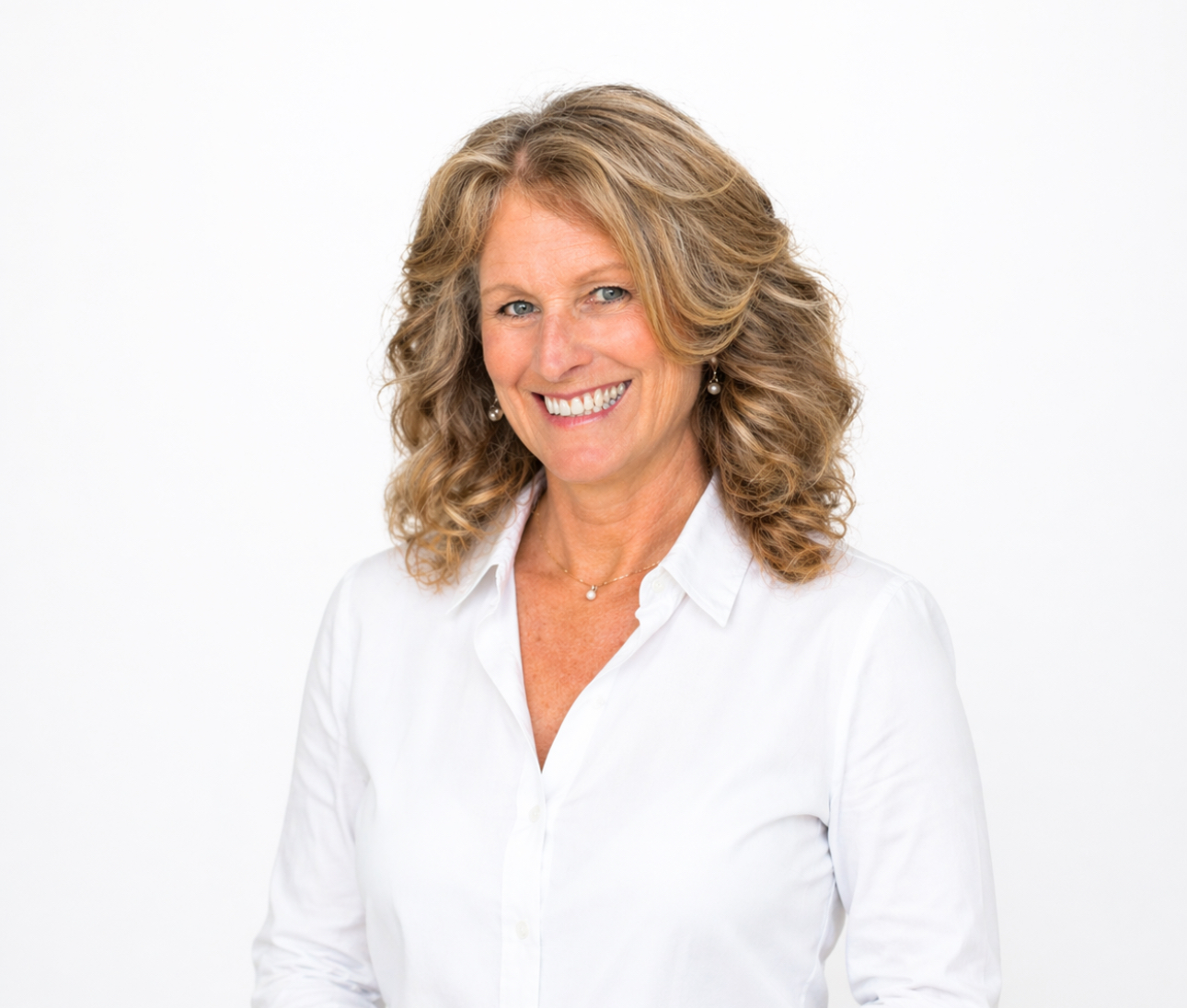
Barbara Jennings, REALTOR® with eXp Realty (VA license 0225179074), is committed to compliance with all federal, state, and local fair housing laws. She does not discriminate against any person because of race, color, religion, sex, national origin, familial status, disability, or any other protected class.
Not Sure What Your Closing Costs Will Be?
I would love to help you compare builder and lender offers, review closing cost estimates, and make sure your budget covers everything before you sign. Call (540) 840-1133 or schedule a free consultation, and let's get your new construction numbers straight.
Barbara Jennings is a licensed Virginia REALTOR® with eXp Realty who specializes in new construction, builder negotiations, and the Fredericksburg-area market. For more on her approach, the communities she covers, and the full range of services she offers, visit her main site at barbara-jennings.com.
Barbara Jennings
REALTOR® · eXp Realty · VA License 0225179074
Barbara Jennings is a licensed Virginia REALTOR® with eXp Realty, VA license 0225179074, specializing in new construction, builder negotiations, and the Fredericksburg-area market. She helps buyers budget realistically, compare builder and lender offers, and negotiate closing cost credits and incentives from their first tour to closing day. Barbara serves Fredericksburg, Stafford, Spotsylvania, Orange, Fairfax, Prince William County, and beyond.
Preferred Lenders
Questions about financing a new construction home? Connect with our preferred lenders for guidance.
Mike Sanchez
Guaranteed Rate
NMLS #860048
Ken Melendez
Guaranteed Rate
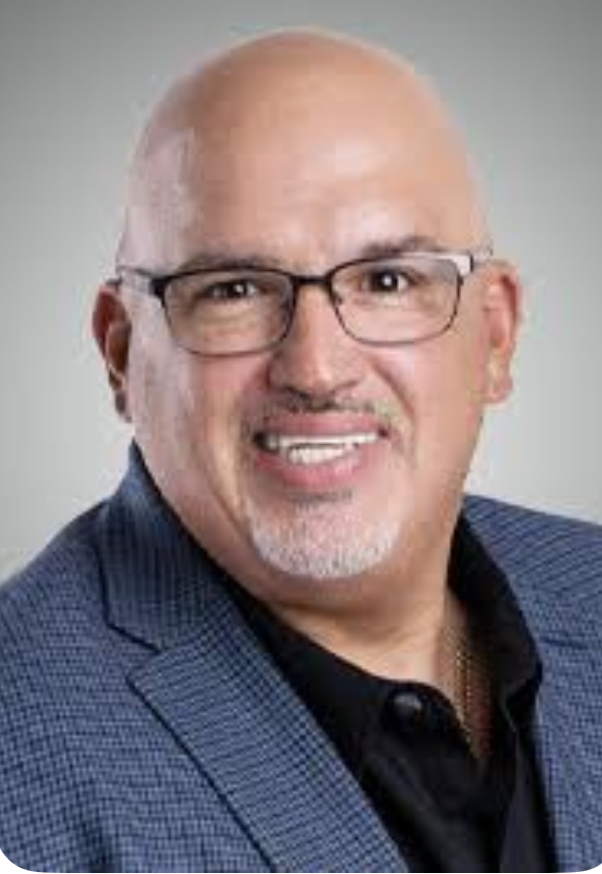
NMLS #2037924Learn more about both lenders, how to reach them, and how they help new construction buyers on the Preferred Lenders page.